
How to Get Repeat Business From Existing Customers (UK Trades)
The three habits that turn one-off jobs into a repeat book: proper records, well-timed follow-ups, and making the rebook effortless.
Last edited: 03 Oct 2026
Everything described here runs on the same diary you can open in the live demo.
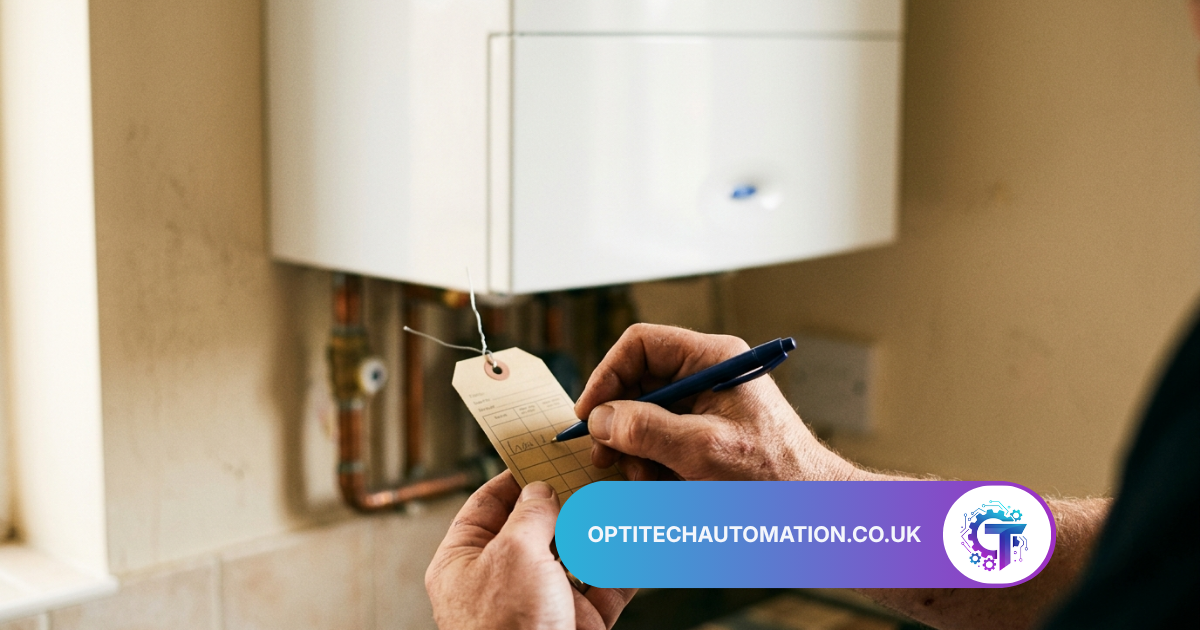
Getting repeat business from existing customers comes down to three habits: keep a proper record of every customer and job, follow up at the moment the next job becomes likely, and make rebooking so easy it happens in one message. None of it needs charm or a marketing budget. It needs a system that remembers, because you will not.
Here is how to build that system, whatever your trade.
Why does repeat work beat chasing new leads?
Think about what a new customer costs you. You paid for them somehow: a lead site fee, hours on quotes that went nowhere, a directory subscription. Then you competed on price against strangers, because that customer had no reason to trust you yet.
The customer whose boiler you serviced last winter is different. There is no lead fee. There is rarely a competing quote. The trust is already earned, which usually means the price conversation is shorter and kinder. And they know people. Every repeat customer is also your cheapest source of referrals, which we covered in how to get more Google reviews as a tradesperson, because the review ask and the referral ask live at the same moment.
We have written before about renting leads versus owning your customers. Repeat business is what owning them actually looks like in practice.
What should a customer record actually hold?
You cannot follow up on what you cannot remember. For every customer, keep at minimum:
- Name, address, phone, email.
- Every job you did for them, with the date and what was fitted or fixed.
- The make, model and age of anything you installed or service regularly.
- When the next service, check or renewal falls due.
- Anything they mentioned wanting "one day". The loft conversion. The garden tap. The bathroom next year.
That last line is quietly the most valuable field in the record. Half your future pipeline is things customers said out loud while you were packing up. Write them down, and next spring you are the tradesperson who remembered, not the one who never called back.
A notebook works at five customers. It stops working at fifty. Wherever you keep the records, keep them in one place, and make sure you own them and can export them, not a lead platform.
How do you stay in front of customers without pestering them?
The rule: every message should be useful to them, not just useful to you. That gives you three natural touches a year, none of which feel like marketing:
- The service anniversary. "Your boiler service is due this month, shall I book you in?" is the easiest message in the trade. It is a favour, not a pitch. Anything you install on a service cycle earns this message.
- The seasonal heads-up. Gutters before autumn, outside taps before the first frost, electrics before the Christmas load. One short, genuinely useful note to your whole list at the right moment.
- The follow-through. If they mentioned a future job, one message when the season or their timeline arrives: "You mentioned the bathroom for spring. Want me to come and price it up?"
That is it. No newsletters unless you enjoy writing them. Three well-timed, personal messages beat twelve generic ones.
Make the rebook effortless
Every extra step between "yes please" and a confirmed slot loses a percentage of people, so shrink the steps. Reply-to-book. A booking link that shows your real availability. Confirmation and a reminder sent automatically. If the customer has to ring you back during working hours to fix a date, you are relying on the two of you being free at the same moment, and the job drifts.
For customers on a regular cycle, the next step up is a proper plan: a defined set of visits for a set price. That is a bigger topic, and we cover the honest way to do it in how to sell service plans as a UK tradesperson.
Where OptiTech Automation fits
Everything above is a memory-and-timing problem, and that is what OptiTech Automation does for a trades business. Every enquiry and job builds the customer record automatically, service reminders go out on schedule, and customers rebook against your real availability without ringing you at 8pm. The list is yours: you can export it in one click, and we take 0% commission on payments, so your money lands straight in your own account. You can see how the whole flow works on how it works, and the plans are priced on the pricing page.
Where we are the wrong choice: if you have a dozen customers and a good notebook, you do not need software to remember them. This is for the business whose past customers have outgrown its memory.
Common questions about repeat customers
Why does repeat work beat chasing new leads?
A new customer cost you something: a lead fee, hours on quotes that went nowhere, a directory subscription, and a price fight against strangers who had no reason to trust you. The customer whose boiler you serviced last winter carries none of that. No lead fee, rarely a competing quote, and a shorter, kinder price conversation.
What should a customer record hold?
Name, address, phone and email. Every job with its date and what was fitted or fixed. The make, model and age of anything you installed or service regularly. When the next service or renewal falls due. And anything they mentioned wanting one day, because half your future pipeline is said out loud while you are packing up.
How often should I contact past customers?
Three times a year is plenty, provided each message is useful to them rather than to you. The service anniversary, which is a favour rather than a pitch. The seasonal heads up, such as gutters before autumn or outside taps before the frost. And the follow through on whatever they said they wanted later.
Where should the customer list live?
Anywhere you own it and can export it. A notebook works at five customers and stops working at fifty. What matters more than the tool is that it is one place rather than three, and that the list is not held inside a lead platform that can change its rules or its prices without asking you.
Start this week with the simplest version: go through your last twenty jobs, note what each customer will need next and when, and put those dates somewhere that will remind you. That list is worth more than any advert you could buy.
The service anniversary message only gets sent if something is holding the date, and the live demo shows that record against a real customer.
Keep reading



New here? See how OptiTech Automation works or view pricing. Or see what these figures mean for your business, in your own numbers.
Letters to the editor
Leave a letter
Add your name to the conversation. Approved letters appear within a day.