
How to Price Emergency Call-Outs Fairly (UK Trades)
A fair emergency rate is your normal rate plus a stated multiplier for unsocial hours, told to the customer before you leave the house. The full framework.
Last edited: 24 Sept 2026
Everything described here runs on the same diary you can open in the live demo.
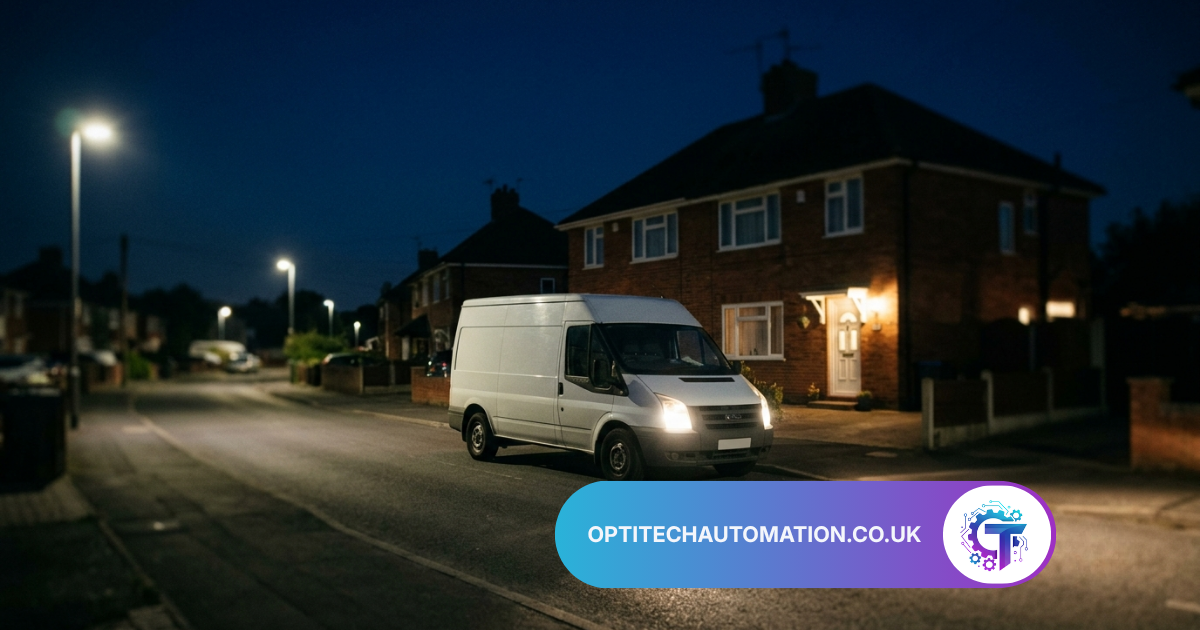
Pricing an emergency call-out fairly comes down to one rule: your normal rate, plus a stated multiplier for unsocial hours, quoted to the customer before you leave the house. The multiplier is not a punishment for their bad luck. It is the honest price of you at 2am: the broken sleep, the family plans, the fact that tomorrow's diary still happens. Customers accept that price surprisingly well when it is stated up front, and resent almost any price that arrives as a surprise.
Here is the full framework.
What should an emergency call-out actually cost?
Build it from three parts:
- The attendance charge. A fixed amount for turning up, which covers travel and the first block of time (commonly the first half hour or hour on site). If you already charge a call-out fee on small jobs, this is the same idea with the emergency multiplier applied.
- The labour rate after that, billed in stated increments, per half hour or hour.
- Parts, at cost or with your standard markup, mentioned in advance: "plus any parts, and I'll tell you the price before I fit anything."
Then apply a multiplier by time band, and write the bands down so they are rules rather than moods:
- Weekday evenings (say 6pm to 10pm): a modest uplift on your day rate.
- Nights (10pm to 7am): the serious multiplier. Often double the day rate. This is the band that costs you tomorrow.
- Weekends and bank holidays: somewhere between the two, with holidays at the night rate.
The exact numbers are yours, anchored to your normal rate, which is why knowing your true hourly rate comes first. A multiplier on an underpriced base rate just loses money at antisocial hours instead of social ones.
How do you tell the customer without a row?
On the phone, before you move, in one breath:
"I can be with you within the hour. It's £120 to attend which covers the first half hour, then £80 per half hour after that, plus parts, and I'll tell you the parts price before I fit anything. Do you want me to come?"
Everything about that script protects both sides. The customer decides with the numbers in front of them, so there is no doorstep negotiation and no invoice shock. "Do you want me to come" matters: it makes the price an offer they accepted, not a bill they discovered. If they say it is too much, that is a fine outcome too. You have lost a job that would have been fought over, not a customer.
Text a one-line confirmation before you set off. Sixty seconds now versus a dispute later, and it is the same discipline as confirming any job in writing.
Is it wrong to charge more at 2am?
No, and it is worth being clear-eyed about why. The 2am price covers real costs the day price does not: sleep you will not get back, a next day worked tired, being permanently interruptible during your family's evening. Charging your day rate around the clock does not make you kind. It makes emergency work a loss you subsidise from daytime jobs, until you understandably stop answering the phone at night, and then nobody gets helped at 2am.
What would be unfair is exploiting distress: inventing work, inflating parts, or quoting a panicking customer a number you would be embarrassed to say in daylight. The line is simple. Fair emergency pricing is a published rule applied to everyone. Unfair pricing is a number made up on the doorstep based on how desperate they sound.
One more fairness rule that costs little and builds a reputation: if it is genuinely not an emergency, say so. "Your heating's down but you've got hot water, I can come at 8am for the normal rate instead of tonight's rate" turns a £300 night into a customer for life, and often a Google review that mentions the honesty. That review is worth more than the difference, as we covered in getting more reviews as a tradesperson.
Where OptiTech Automation fits
Emergency work is decided by whoever answers first, and that is the race OptiTech Automation runs for you. Out-of-hours enquiries get an instant response with your real availability instead of dying in a voicemail, urgent jobs are sorted from ones that can wait until morning, and payment is taken by card on completion, with 0% commission, so the night's earnings land straight in your own account. Your emergency bands and rules live with the booking, not in your head at 2am. Prices for all of it are published on our pricing page.
Where we are the wrong choice: if you have deliberately built a no-emergencies business, planned work only, you do not need out-of-hours capture, and we would be selling you a lane you have chosen not to drive in.
Do the twenty-minute version this week: write your three time bands and their multipliers, put the attendance script by the phone, and add the bands to your website. The next 10pm call gets a calm, stated price, and you get paid properly for the hardest hours you work.## Common questions about emergency pricing
How should an emergency callout be priced?
From three parts: an attendance charge covering travel and the first block of time, a labour rate after that billed in stated increments, and parts at cost or your standard markup. Then apply a multiplier by time band, written down in advance so the bands are rules rather than moods.
Is it wrong to charge more at 2am?
No. The night price covers real costs the day price does not: sleep you will not get back, a next day worked tired, and being permanently interruptible during your family's evening. Charging your day rate around the clock is not kindness, it is a loss subsidised by daytime jobs until you stop answering the phone at night.
Where is the line between fair and exploitative?
Fair emergency pricing is a published rule applied to everyone. Unfair pricing is a number made up on the doorstep based on how desperate someone sounds. Inventing work, inflating parts or quoting a figure you would be embarrassed to say in daylight all sit on the wrong side of that line.
What should I say on the phone?
Give the numbers before you move, then ask. Say what it costs to attend and what that covers, the rate after that, that parts are extra and you will name the price before fitting anything, and finish with do you want me to come. That last question makes the price an offer they accepted rather than a bill they discovered.
Related research: we surveyed 130 UK trade firms’ published call-out prices. Out-of-hours attendance runs about 1.47 times the daytime minimum, and plumbers’ emergency minimums cluster around £132. See the full UK call-out fee study.
Out of hours enquiries are won by whoever answers first, and the live demo shows what a customer meets when nobody is awake to pick up.
Keep reading


New here? See how OptiTech Automation works or view pricing. Or see what these figures mean for your business, in your own numbers.
Letters to the editor
Leave a letter
Add your name to the conversation. Approved letters appear within a day.