
How to Ask for Referrals Without Feeling Awkward (UK Trades)
One plain sentence at the moment the customer is happiest, said as a favour they can do you, not a corner you have backed them into. The wording and the timing.
Last edited: 03 Oct 2026
Everything described here runs on the same diary you can open in the live demo.
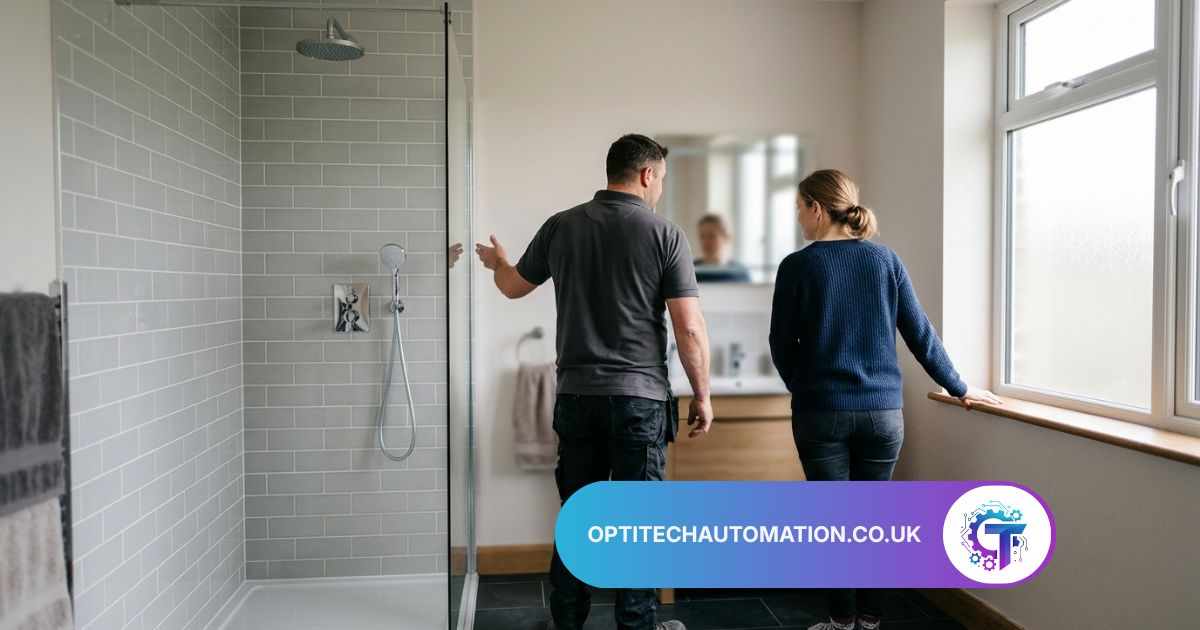
The way to ask for referrals without feeling awkward is one plain sentence, at the moment the customer is happiest, framed as something they are welcome to do rather than something you need: "If you know anyone else who needs this sort of thing sorting, pass my number on, I look after people who come recommended." That is the whole technique. No scheme, no scripts that sound like a bank, no discount bribes.
Here is why it works, when to say it, and how to make it happen every time instead of the weeks you remember.
Why does asking feel awkward, and why is that instinct wrong?
It feels like asking for a favour from someone who has already paid you. But look at it from the customer's side. They have just found something genuinely scarce: a tradesperson who turned up, did good work and charged what they said. Their friends complain about exactly this over dinner. Passing your number on makes THEM look good. You are not asking for charity, you are giving a happy customer permission to do a thing that raises their stock with their mates.
And word of mouth is already your best channel, as almost every trades owner will tell you. The referred customer arrives pre-sold: no lead fee, rarely a competing quote, trust inherited from someone they know. It is the same economics that make repeat business beat chasing new leads. The only thing wrong with word of mouth is leaving it entirely to chance. The ask is how you stop doing that.
When is the right moment to ask?
At the peak, which is nearly always one of these:
- The walkthrough. You have just shown them the finished job and they said some version of "brilliant". That sentence is your cue.
- The moment they thank you unprompted. A thank-you text or a "you've saved my life" at the door is peak goodwill. Reply warmly, then add the line.
- When the review lands. A customer who just wrote you five stars has publicly committed to recommending you. A referral is the same act, made personal. The review and the referral ask are sister moments, and how to get more Google reviews covers the first one.
The wrong moments matter too. Not while the invoice is unpaid, because it muddies a money conversation. Not on a job with snags, obviously. And not twice: one ask per job is confident, two is needy.
What exactly do you say?
Keep your own voice, but the shape that works is: light, specific, and finished with a reason.
"Glad you're pleased with it. If any of your neighbours or family need [your trade] doing, pass my number on, I always look after people who come recommended."
Why each part earns its place: "if" keeps it pressure-free, naming who ("neighbours, family") turns a vague idea into faces they can actually picture, and "I look after people who come recommended" is a true promise that makes the referral safe for them to make. Their name rides on you. Say out loud that you know that.
Should you pay for referrals? For most small trade businesses, no, and not because incentives are evil. A £25 voucher changes the sentence in the friend's kitchen from "he was great" to "he gives me money if you book him", which is worth less. The recommendation's whole power is that it is unbought. Keep it that way, and reward great referrers instead with what you already have: priority when they next need you, remembered kindly and delivered.
How do you make it systematic without making it robotic?
The line only compounds if it happens on every happy job, and that is a memory problem, not a personality problem:
- Put the ask into your job-completion routine, right beside the review request. Same trigger, sister asks: review for the public, referral for the personal.
- When a referral arrives, capture where it came from, and thank the referrer that day. One text: "Thanks for passing my name to Karen, much appreciated." People who get thanked refer again.
- Watch what a plumber in a village already knows: three streets of neighbours all use the same three trades. Density is the referral engine's natural gear. Getting your name into a new street via one job is worth more than the job.
Where OptiTech Automation fits
OptiTech Automation handles the machinery around the moment: job completion triggers the thank-you and review flow, every customer and the jobs they brought you live in one record so referrers get remembered and thanked, and when the referred customer does ring, the enquiry is captured and booked instead of dying in a voicemail while you are on the tools. Payments come in by card with 0% commission, so every payment lands straight in your own account. See the whole loop on how it works, and what it costs on the pricing page.
The ask itself, though, stays yours. It works because a human who just did good work said a plain sentence to a happy customer, and no software should try to replace that.
Common questions about asking for referrals
When is the best moment to ask for a referral?
At the peak of goodwill, which is nearly always the walkthrough when they have just said the job looks brilliant, the unprompted thank you at the door, or the day a five star review lands. Avoid asking while an invoice is unpaid, avoid it on a job with snags, and only ask once per job.
What should I actually say?
Keep your own voice and keep it light: if any of your neighbours or family need this sort of thing doing, pass my number on, I always look after people who come recommended. The if removes pressure, naming neighbours and family gives them faces to picture, and the last clause makes the referral safe to make.
Should I pay people for referrals?
For most small trade businesses, no. A voucher changes the sentence in the friend's kitchen from he was great to he gives me money if you book him, and that is worth less. The power of a recommendation is that nobody bought it. Reward good referrers with priority next time they need you instead.
How do I make the ask happen every time?
Treat it as a memory problem rather than a personality one. Put the ask into your job completion routine beside the review request, so the same trigger fires both. When a referral arrives, record where it came from and thank the referrer the same day. People who get thanked refer again.
So this week: say the line once, out loud, at the next walkthrough that ends in "brilliant". It will feel strange exactly one time.
Referrals only pay if the new caller gets booked, and the live demo shows what happens to an enquiry that arrives while you are on the tools.
Keep reading



New here? See how OptiTech Automation works or view pricing. Or see what these figures mean for your business, in your own numbers.
Letters to the editor
Leave a letter
Add your name to the conversation. Approved letters appear within a day.